
CONCRETE BARRIERS LEEDS, Call or Text on: 07342914987
Local Business
No Call Out Fee
(See us on facebook)

INTERLOCKING CONCRETE BLOCKS

What are interlocking concrete blocks?
Interlocking concrete blocks have become increasingly popular in the construction industry, particularly in LEEDS. These innovative building blocks are designed to fit together like puzzle pieces, eliminating the need for mortar and making construction projects more efficient. The interlocking design ensures a strong and stable structure that can withstand extreme weather conditions.

One of the key advantages of interlocking concrete blocks is their versatility. They can be used for a wide range of applications, from retaining walls to flood protection barriers. Whether you need to create a temporary or permanent structure, these blocks offer a flexible solution that can easily be disassembled and reconfigured as needed.
Furthermore, interlocking concrete blocks are not only practical but also aesthetically pleasing. With various shapes, colors, and finishes available, they can enhance the visual appeal of any project. Additionally, these blocks are environmentally friendly since they require fewer raw materials compared to traditional construction methods.
In conclusion, interlocking concrete blocks offer numerous benefits for contractors and builders in LEEDS and beyond. Their ease of use, adaptability, durability, and eco-friendly nature make them an attractive choice for any construction project. By using these innovative building materials, constructors can save time and costs while ensuring high-quality structures that stand the test of time

Advantages of interlocking concrete blocks:
– Durability
– Easy installation
– Versatility
Interlocking concrete blocks have become increasingly popular in recent years, thanks to their numerous advantages. One of the most impressive features is their remarkable durability. Unlike traditional bricks or timber, interlocking concrete blocks are made from a solid material that can withstand heavy loads and endure harsh weather conditions without deteriorating or losing their shape. This makes them an excellent long-term investment for homeowners and businesses alike.
Another significant advantage is the ease of installation. Interlocking concrete blocks are designed to fit together seamlessly, eliminating the need for mortar or skilled labor. This means that even those with limited DIY experience can successfully complete a project using these blocks. The straightforward installation process not only saves time but also reduces labor costs, making it an attractive option for budget-conscious individuals.

Finally, the versatility of interlocking concrete blocks cannot be overstated. These blocks offer endless design possibilities due to their modular nature, allowing users to create anything from simple retaining walls to intricate garden features and even entire buildings! Their adaptable nature makes them suitable for various applications in both residential and commercial settings. With such flexibility, it’s no wonder that interlocking concrete blocks have become a go-to choice for many construction projects across LEEDS and beyond.
In conclusion, interlocking concrete blocks provide an array of benefits that make them stand out among other construction materials. Their durability ensures they will withstand the test of time while requiring minimal maintenance along the way. Additionally, easy installation and versatile design options make these blocks accessible to anyone looking to enhance their outdoor space or construct new structures
Applications of interlocking concrete blocks:
– Retaining walls
– Erosion control
– Building structures
Interlocking concrete blocks have become increasingly popular in LEEDS due to their versatility and durability. One of the most common applications for these blocks is in building retaining walls. The interlocking design allows for quick and easy installation, making it an ideal choice for both small-scale residential projects and large-scale commercial developments. These walls not only provide a functional solution by preventing soil erosion and maintaining the integrity of sloped areas, but they also add aesthetic appeal to any landscape.
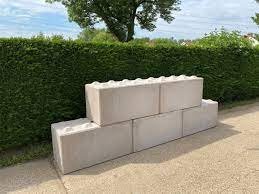
In addition to retaining walls, interlocking concrete blocks are also highly effective in erosion control. In regions like LEEDS where heavy rainfall is common, erosion can be a significant problem. The interlocked structure of these blocks creates a sturdy barrier that can withstand the erosive forces of flowing water, effectively minimizing soil loss and protecting valuable land resources. This makes them an essential tool for preserving agricultural lands and preventing damage to infrastructure caused by eroding slopes or embankments.
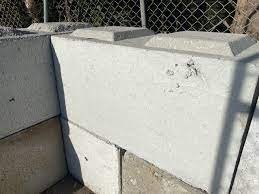
Beyond their functionality in retaining walls and erosion control, interlocking concrete blocks offer endless possibilities when it comes to building structures. From garden walls to industrial buildings, these blocks ensure strong foundations with their unique locking mechanism that enhances stability. Unlike traditional construction methods, where bricks or stones need mortar or adhesive for bonding, interlocking concrete blocks rely solely on their own design to create sturdy connections between units. This flexibility allows architects and designers to explore innovative designs while saving time on construction.
As the demand for sustainable construction materials continues to rise, interlocking concrete blocks prove to be an attractive option due to
The benefits and versatility of interlocking concrete blocks.
In conclusion, the benefits and versatility of interlocking concrete blocks cannot be overstated. These innovative building materials offer a multitude of advantages, making them an excellent choice for construction projects in LEEDS and beyond. Firstly, interlocking concrete blocks are incredibly durable and long-lasting. They can withstand extreme weather conditions, providing resilience and stability to any structure. Moreover, their design allows for easy installation without the need for mortar or adhesive, reducing both time and costs associated with traditional building methods.
Another key benefit of interlocking concrete blocks is their adaptability. These blocks can be easily configured to create various shapes and sizes, offering endless possibilities for architects and designers alike. Whether it’s constructing retaining walls, storage bays, or even temporary structures such as event spaces or flood protection barriers, interlocking concrete blocks prove to be an ideal solution. Moreover, their modular nature allows for easy disassembly and reconfiguration if needed.
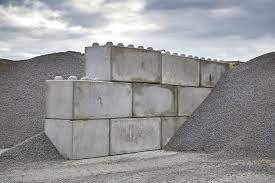
Furthermore, interlocking concrete blocks have environmental advantages as well. Many types of these blocks are made from recycled materials, such as crushed rubble or ground-up demolition waste. By repurposing these materials into sturdy building components instead of sending them to landfill sites, we contribute to sustainable construction practices while reducing our carbon footprint.
https://en.wikipedia.org/wiki/Leeds
To summarize, interlocking concrete blocks provide numerous benefits that make them a versatile choice in construction projects throughout LEEDS. Their durability ensures longevity while their flexibility allows for endless possibilities in designs and applications. Additionally ,their environmental advantages align with the growing demand for sustainable solutions in the industry.